Empowering Microsoft Agent Framework with Neo4j knowledge graphs

AI Developer Advocate
3 min read
When AI agents start to understand: Why graphs matter more than prompts
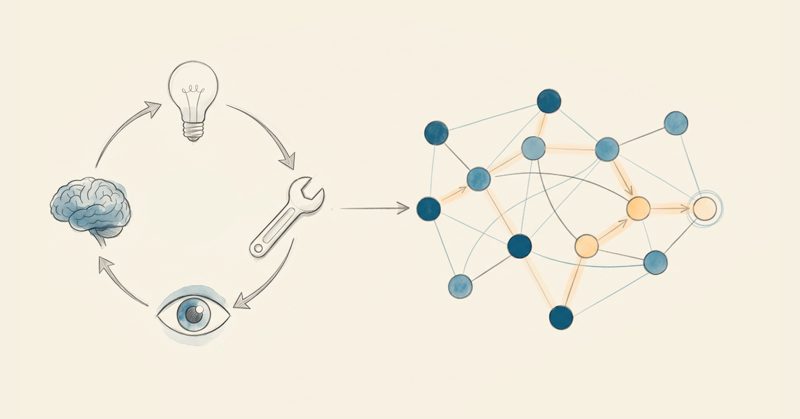
AI agents are getting very good at reasoning. They can plan, call tools, and collaborate with other agents. What they still struggle with is grounded understanding — keeping track of how entities, rules, and events relate over time.
This is where graphs come in.
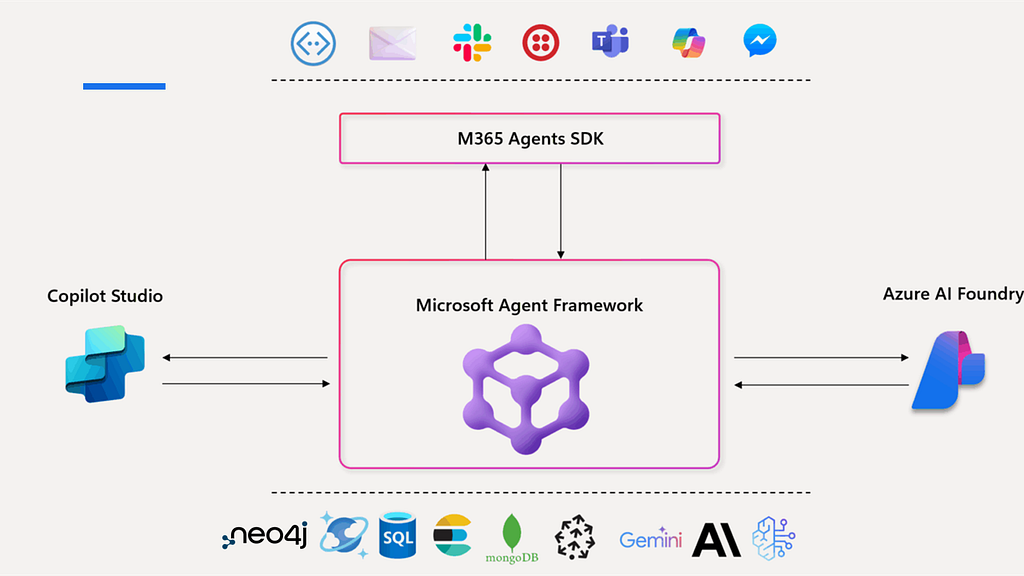
If you are building agents with the Microsoft Agent Framework, Neo4j offers a practical way to give those agents structured, persistent context.
This post bridges the gap between inspiration and implementation: it explains how agents can integrate with Neo4j, highlights one representative real-world example, and points you to the technical documentation when you are ready to go deeper.
How agents connect to Neo4j
Large language models reason probabilistically. They do not remember your system, your users, or your domain data unless you continuously ground them. Most agent systems try to solve this with more prompts, bigger context windows, agent-memory, or more complex workflows.
Graphs offer a different mental model. Instead of stuffing text fragments into prompts, you persist in contextual relationships: which contract references which regulation, which component belongs to which system, which event connects people, places, and time.
The Microsoft Agent Framework is intentionally flexible about data access. Rather than prescribing a single integration style, it allows teams to choose where database logic should live and how much control the agent should have. In practice, four integration options have emerged
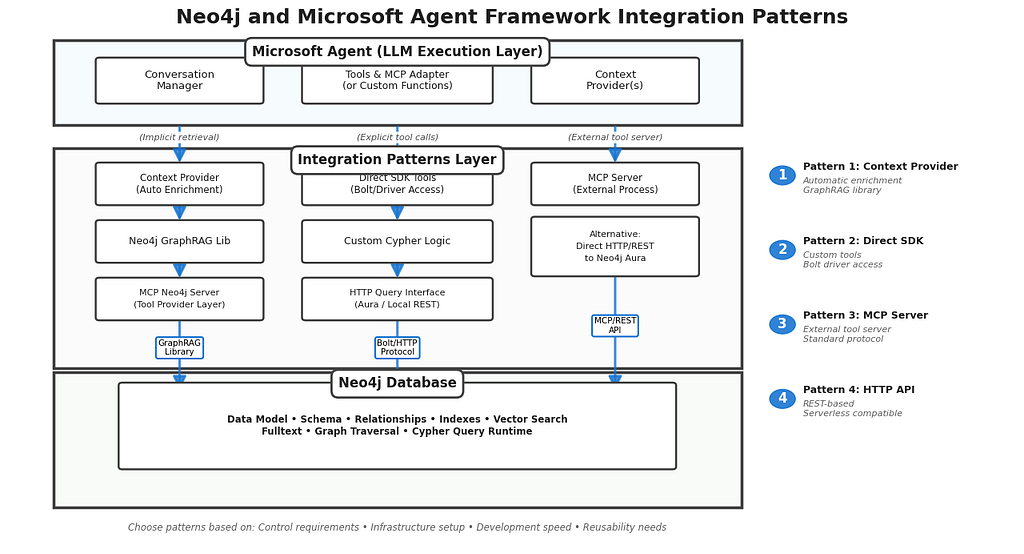
- Context Providers automatically inject relevant graph context into each LLM call. This is the quickest way to ground agents with minimal configuration.
- Direct SDK Integration lets agents call custom tools backed by official Neo4j drivers, giving you full control over Cypher execution and returned results.
- MCP Servers expose Neo4j through a standard external interface, allowing multiple agents or frameworks to share the same graph backend.
- HTTP APIs access Neo4j via REST, making them suitable for serverless or restricted environments where drivers cannot be installed.
A concrete example: contract analysis with graph context
A representative example uses direct SDK integration for contract review.
Contracts, clauses, organizations, and jurisdictions are modeled as a graph. When a user asks which contracts reference GDPR and involve suppliers in Germany, the agent executes a targeted Cypher query that traverses those relationships directly.
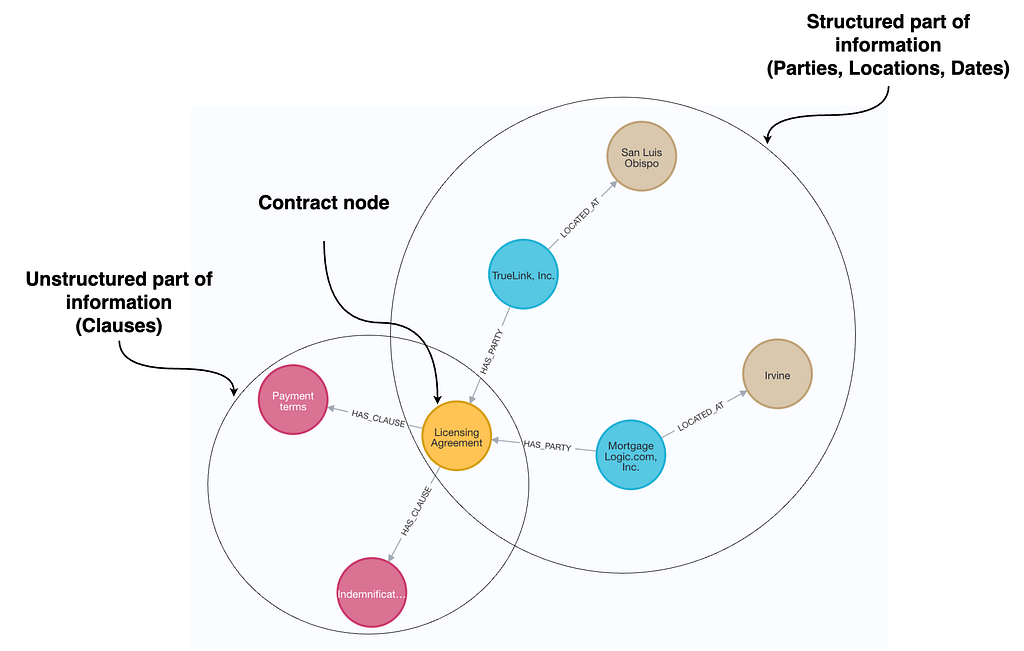
Neo4j handles structured retrieval and traversal. The LLM focuses on reasoning and explanation. This clear separation keeps prompts clean and results reliable.
Choosing a Pattern
- Start with context providers for quick graph grounding
- Use direct SDK tools when control and precision matter
- Choose MCP for shared data layers across agents
- Use HTTP in restricted environments
The full architecture, code, and live demo are covered in the Neo4j Labs technical documentation for Agent Framework integration and will be continously expanded:
https://neo4j.com/labs/genai-ecosystem/ms-agent-framework/
- Working code examples
- Community demos with videos and repositories
If you want to see these integration patterns implemented step by step — and explore additional examples — head to the full technical documentation in Neo4j Labs.
Big thanks Christian Glessner (Microsoft MVP), Jose Luis Latorre (Microsoft MVP), Ryan Knight (Neo4j) and Matthias Buchhorn-Roth (Sopra Steria) for sharing their stories within the presented demos and cases.
Empowering Microsoft Agent Framework with Neo4j Knowledge Graphs was originally published in Neo4j Developer Blog on Medium, where people are continuing the conversation by highlighting and responding to this story.
Share Article



Explore
Related Articles


Connected Intelligence: Accelerating Enterprise AI throughout the cloud ecosystem

Easily build a knowledge graph from your existing documents with Document Intelligence