
What’s Next for AI Agents? Memory, Context, and Graphs
 Play video on YouTube: What’s Next for AI Agents? Memory, Context, and Graphs
Next in GraphRAG and AI agents · 2 of 5

Explore No-Code GraphRAG Agents in 10 Minutes on Your Own Data


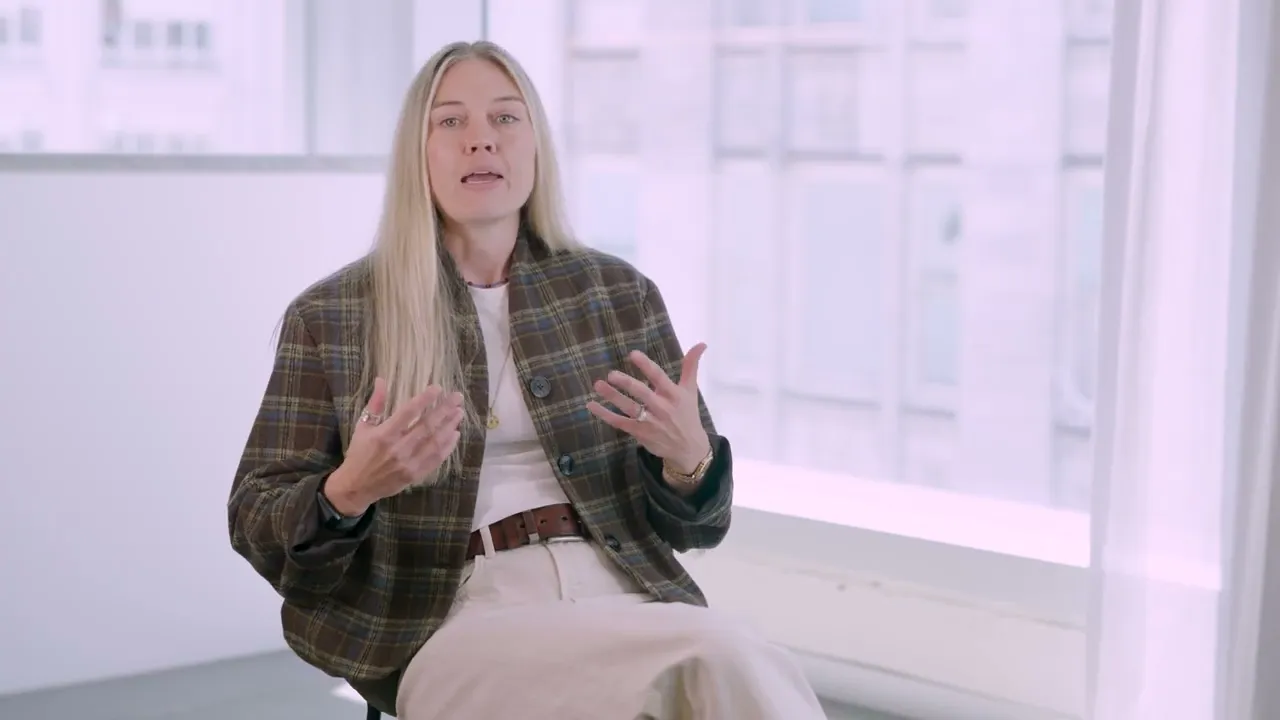
Averi Kitsch has been to the Neo4j Graph Gathering before, and she says she keeps coming back because she loves learning from others, sharing experiences, and diving deep into new technologies. This time, one topic really stood out to her: agentic memory. As Averi puts it, once you close your laptop, a lot of an agent’s memory disappears—and that raises a big question about what the next leap in memory for AI agents looks like. At the event, she explored how context graphs could help capture agent decisions, support self-learning and improvement, and create more personalized recommendations.
Averi is the technical lead for MCP Toolbox for Databases, an MCP server that securely connects AI applications to more than 40 databases. While the toolbox today is heavily focused on build-time tools and helping developers access their data, she’s thinking about what comes next: memory tools that can support both developer workflows and runtime applications. The goal is to give agents a better way to remember context, understand users, and personalize results. Coming from a traditional database background, Averi is especially interested in how graph databases can add another layer of intelligence by capturing the relationships between different data sources and working alongside operational databases.
For Averi, the Graph Gathering is also about stepping back and looking at how quickly the AI agent space is evolving. A year ago, much of the conversation was around RAG; now, the focus is shifting toward agents that can take action, learn, and actually work in production. She’s excited to keep learning from the graph community and bring those ideas back to customers, connecting her technical expertise with real-world business needs. And one thing is clear from her experience at the event: she sees plenty of opportunity to bring more graph capabilities into MCP Toolbox and help developers build smarter, more context-aware AI agents.
- Watched Duration: 20:47

- Watched Duration: 20:40

- Watched Duration: 30:03

- Watched Duration: 3:18

- Watched Duration: 2:17

- Watched Duration: 30:44

- Watched Duration: 47:56

- Watched Duration: 2:08:49
