What to expect at NODES 2026
Live sessions
around the clock
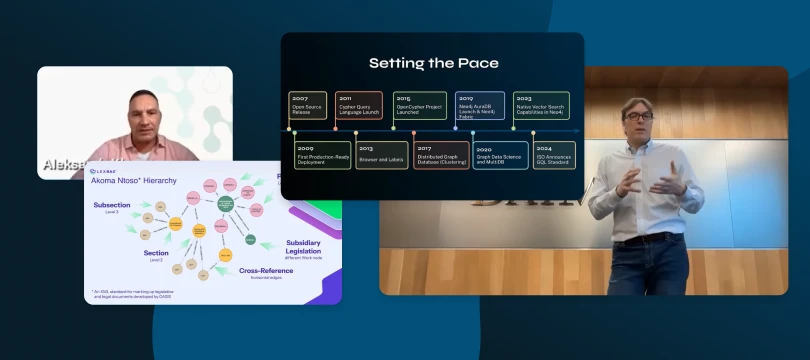
Get ready for 24 hours of live sessions, lightning talks, and more – in every major time zone across the globe.
Content to match
your interests
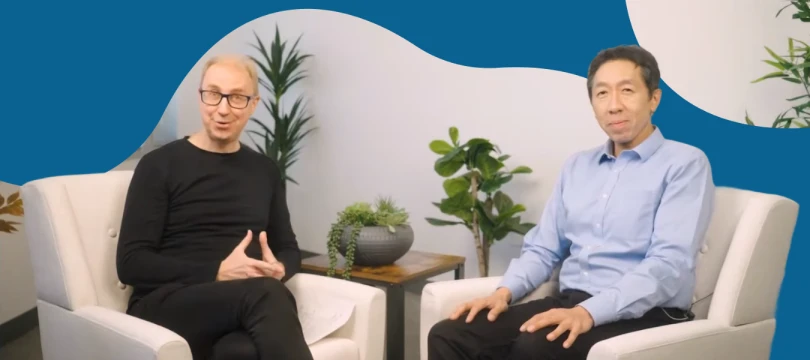
Gain expert insights on main topics: multi-agent systems, modern applications, and deep context with graphs.
Learning about the
latest and greatest
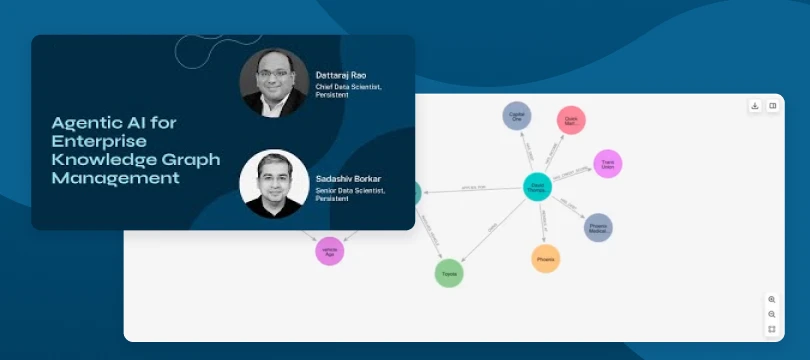
Find fresh ideas and inspiration when you hear about AI engineering, data intelligence, tech stack integrations, and more.
Meaningful
connections
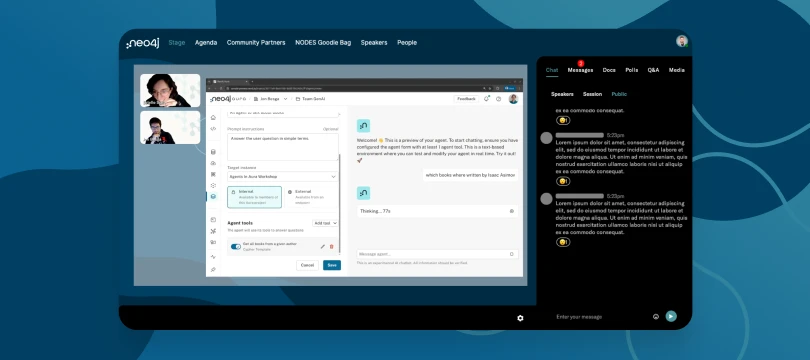
Connect with speakers during Q&As, exchange ideas, and find new collaboration opportunities in the community.
Here’s how the global graph
community showed up this past year
22,453
Registrations
150
Countries
4,434
Companies
What you’ll learn
AI engineering
Explore how to build intelligent systems using generative AI, RAG, and AI agents.
Modern applications
Discover tools to create modern applications with any software stack and programming language.
Data intelligence
Learn how to unlock deeper intelligence with knowledge graphs and modern data workflows.
Bring your friends to NODES 2026 for a chance to win $200 worth of cool prizes
Top 30 participants with the most friends attending will each receive $200 worth of cool prizes from the Neo4j Swag Shop. We’re tracking attendance, so be sure your friends register AND attend! Check out the contest rules for more information.

Road to NODES workshops
Get ready for NODES 26! All workshops are 2 hours, free and virtual. Register for workshops here.
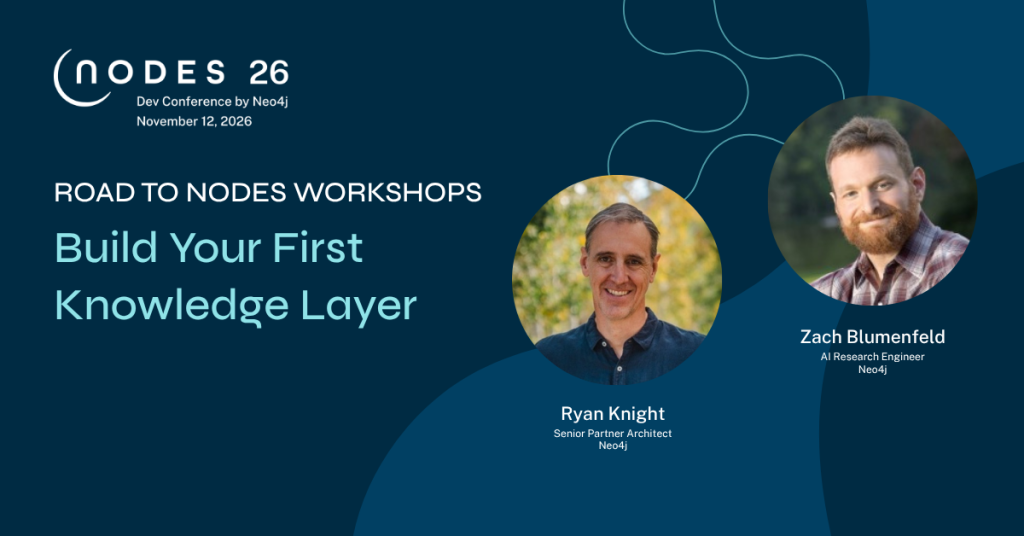
October 15 | 17:00 BST / 18:00 CEST / 9:00am PDT / 12:00pm EDT
Build a lightweight knowledge layer over your existing documents and SQL data using three shapes in Neo4j: a Table of Contents (Trees) for document navigation, Themes (Communities) that surface unnamed patterns, and Connections (a Semantic Layer) linking structured entities and records.
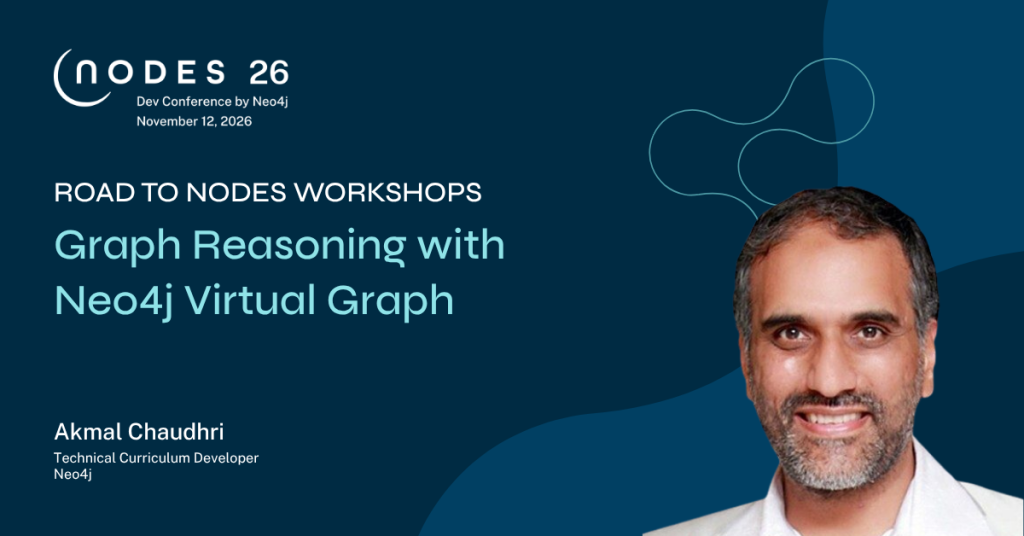
October 22 | 17:00 BST / 18:00 CEST / 9:00am PDT / 12:00pm EDT
Two technical sentences:
Run Cypher queries directly against your cloud data warehouse — Snowflake, Databricks, or Google BigQuery — using Neo4j Virtual Graph, mapping relational data into a graph model in place without moving or duplicating it.
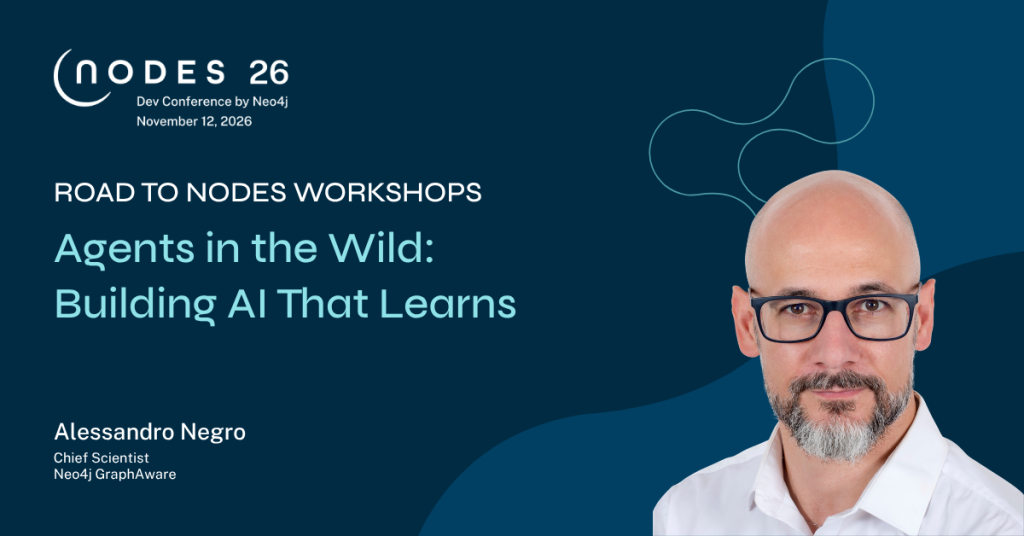
October 29 | 17:00 GMT / 18:00 CET / 10:00am PDT / 1:00pm EDT
Build a full graph-based agent memory stack in Neo4j — hierarchical context graphs, retrieval and answer playbooks, and dynamic playbook composition — and compare how predefined workflows versus fully autonomous agents interact with that memory differently.
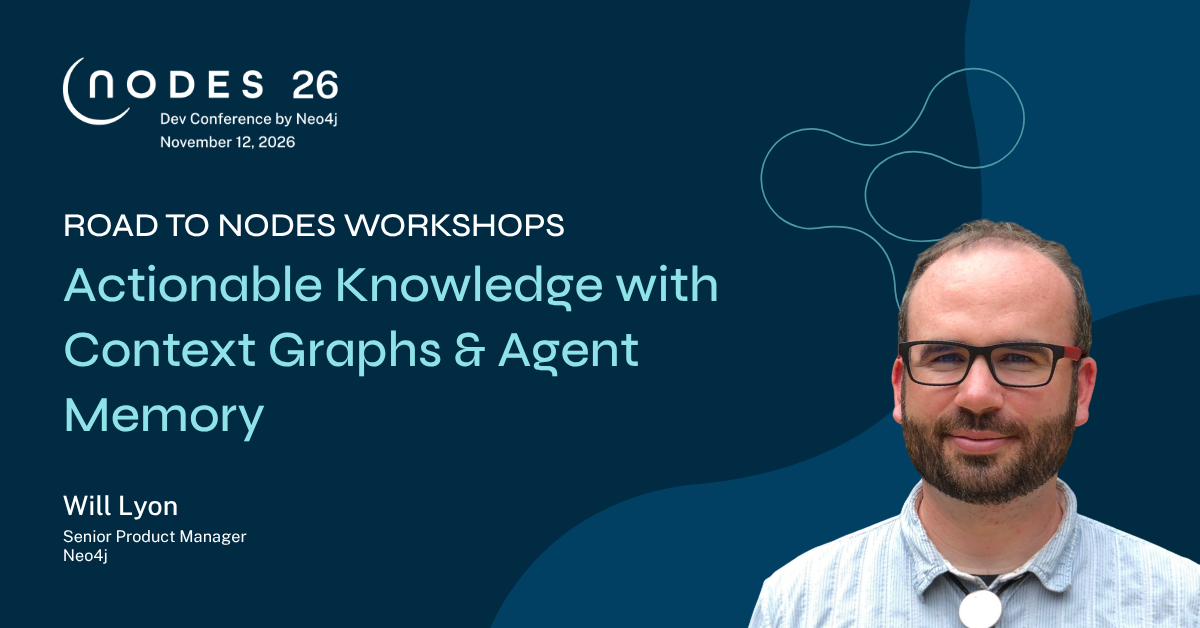
November 5 | 17:00 GMT / 18:00 CET / 9:00am PST / 12:00pm EST
Work hands-on against a running Neo4j Agent Memory Service (NAMS) instance to build a memory layer holding three kinds of memory in one graph: short-term conversation history, long-term entities modeled with POLE+O, and reasoning memory that captures decision traces and tool-call provenance as first-class nodes.