Why we’re opening the Analysis Room

Global Head of Public Sector & Workforce Intelligence
3 min read
The world is getting harder to interpret.
Geopolitical competition is intensifying, and conflicts now have consequences far beyond their immediate geography. Economic security, sanctions, transnational crime, cyber activity, influence operations, and pressure on critical infrastructure are becoming more closely connected.
The boundaries between domestic and international, physical and digital, state and non-state activity continue to blur. Intelligence teams must produce assessments faster even as the threat picture grows more complex.
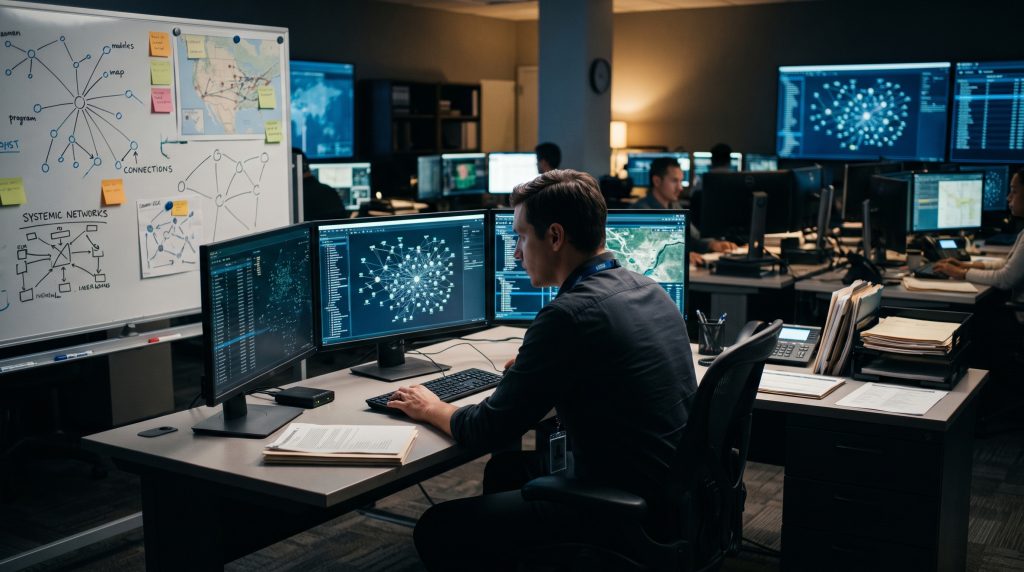
Technology is changing this work too. AI can already help analysts process, translate, compare and summarize information at a scale that was previously impractical. New analytical capabilities can reveal patterns and connections, while reducing the manual work involved in handling large amounts of data.
But these advances also raise difficult questions. What should we automate, and what should remain under human control? How can analysts preserve source provenance, assess confidence, consider alternative hypotheses and make room for dissenting views? How can leaders ensure that faster analysis remains explainable and accountable? And as technology takes on more of the process, which human skills become more important?
Intelligence as a discipline
The core of intelligence analysis is turning incomplete, fragmented and sometimes deceptive information into judgments that others can act on. The importance of this work is hard to overstate. It supports decisions across defense and national security, policing and criminal intelligence, financial investigations, threat intelligence and emerging fields. Each field has its own mission and operating environment, but many of the underlying challenges are the same.
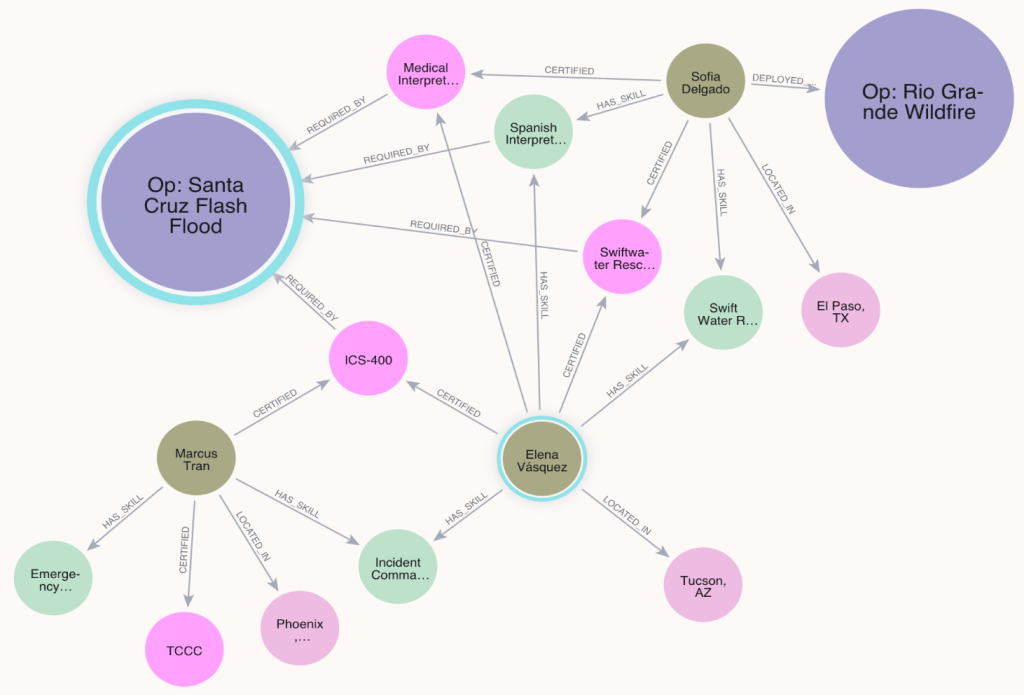
Intelligence analysis is about understanding relationships between people, organizations, locations, events and transactions. A single piece of information rarely provides decisive insight. More often, that insight emerges when analysts can connect events and signals with the people and organizations involved.
Finding those connections is hard. The information is fragmented; the same entity appears under different names; the important relationships are hidden; and the volume of data continues to grow. Analysts must not only uncover these connections, but also explain how they reached their conclusions.
Technology widens the analyst’s reach, but as the pace of analysis increases and decision cycles become shorter, it is even more important that the standards of analytical tradecraft are not compromised.
A conclusion does not become reliable because it was produced quickly, presented confidently, or generated by a sophisticated system.
Above all, analysts must exercise judgment.
Creating space for the conversation
That is why we are opening The Analysis Room. It will bring together practitioners, intelligence leaders and other experienced voices for substantive conversations about modern intelligence tradecraft.
At Neo4j, we spend a lot of time working with organisations to help them make sense of relationships between entities, events, transactions, locations, and behaviors when the underlying information is fragmented or incomplete. That gives us a close view of the challenges analysts face. But the experts are people who practice, lead, and develop the discipline.
We want to host those voices, connect conversations that too often happen separately, and listen. For those joining us, it’s an opportunity to hear how peers across different intelligence disciplines approach similar challenges, compare methods, and take useful ideas back to their own work.
The first session
On Wednesday, December 2, 2026, we kick this off the series with Dr. Chris Savos, a former senior CIA intelligence executive with 22 years of service, now a lecturer at Yale University. He will be in conversation with John Bender, Vice President of the U.S. Public Sector at Neo4j, who brings 30 years of experience supporting government agencies and the U.S. military.
They will explore how AI is changing modern intelligence tradecraft, where human judgement remains essential, and which analytical skills will matter most in the years ahead.
Share Article


Explore
Related articles